ConsiMay Service intégral
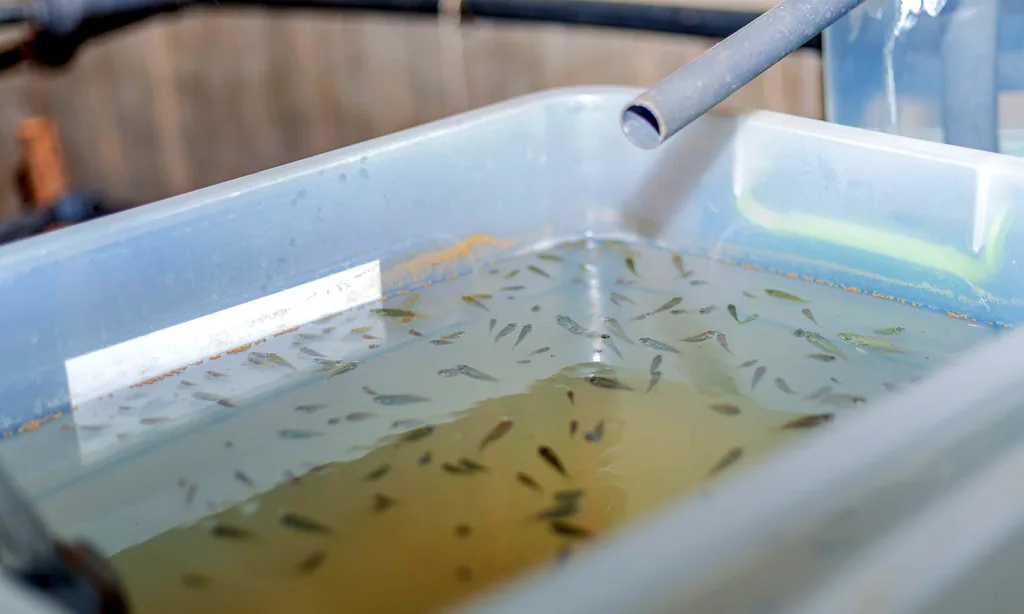
Fingerlings in a hatchery tank

EcloFish · Fingerling division

The fingerling decides the whole cycle

A poorly graded or weak fingerling costs you six months later, at harvest. We produce our own in our hatchery, and we raise them ourselves to market size — that is the best guarantee we can give.

The species

Three species, three ways of farming

Choosing a species is not a matter of taste, it is a technical decision: it depends on your water, your facility and your market. Here is what sets them apart.

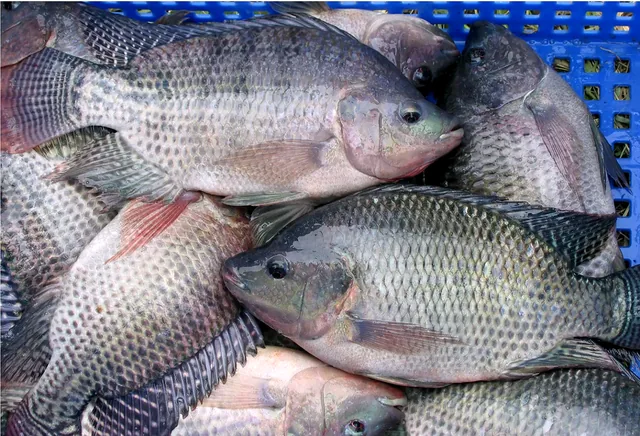
Nile tilapia (Oreochromis niloticus) from ConsiMay's production

Tilapia

Oreochromis niloticus

The most farmed species in West Africa: hardy, tolerant of changes in temperature and oxygen, and accepted on every market. It is the starting species for most projects.

Setting
Pond and floating cage
Diet
Omnivorous
Market
The widest
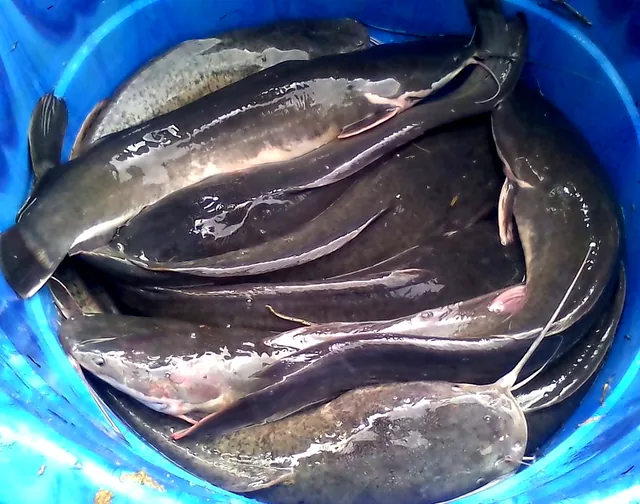
African catfish (Clarias gariepinus) from ConsiMay's production

African catfish

Clarias gariepinus

The fish for difficult water: it breathes air, withstands high densities and oxygen-poor water. It is the species that forgives the most management mistakes — so it is the one we often recommend to beginners in above-ground ponds.

Setting
Pond, high density
Diet
Carnivorous
Strength
Very hardy
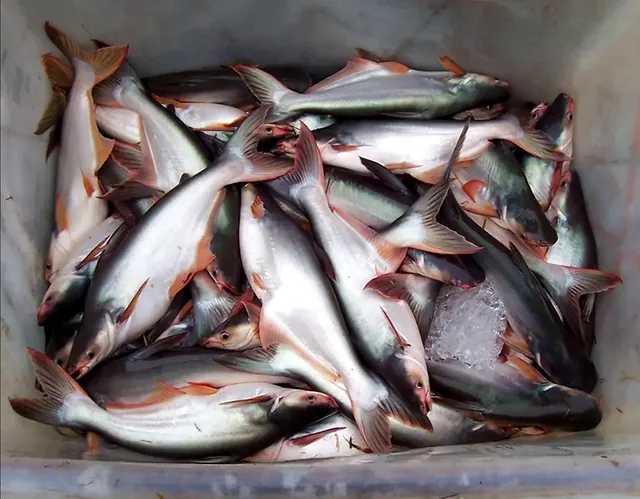
Pangasius (Pangasianodon hypophthalmus) from ConsiMay's production

Pangasius

Pangasianodon hypophthalmus

Fast growth and white flesh that sells well as fillets. It needs a large volume of water and closer management: it is a species for floating cages and structured projects, not for a first pond.

Setting
Floating cage, large volume
Diet
Omnivorous
Strength
Fast growth

The hatchery

What happens before your fingerlings are delivered

01
Broodstock

Everything starts here. Monitored, renewed breeders kept in separate batches: this is what prevents the degeneration seen on farms that endlessly breed their own stock.

02
Spawning and incubation

Eggs are incubated in tanks, protected from predators and from the temperature swings that can wipe out a spawn overnight.

03
Nursing

Larvae move to nursery tanks, fed and monitored until delivery size. It is the most fragile phase of the whole cycle.

04
Grading and delivery

Fingerlings are sorted by size before they leave. A poorly graded batch means cannibalism and an uneven harvest six months later.

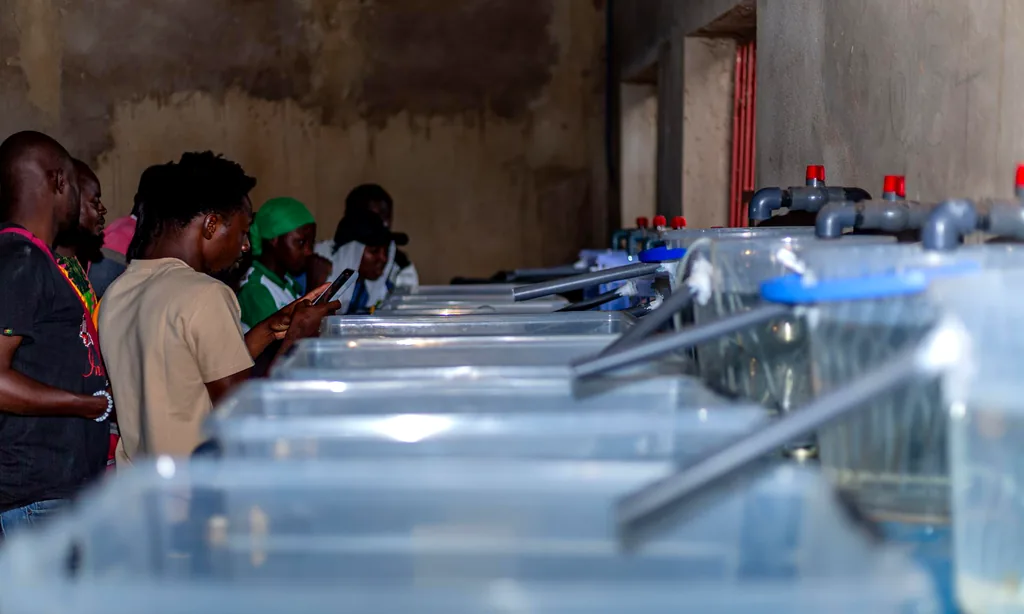
Row of hatchery tanks

Our hatchery tanks. The same setup is the one we install for clients who want to produce their own fingerlings.

Availability and orders

How to order

Tell us the species, the quantity and the date you want. We confirm availability and lead time — and if it is not the right species for your facility, we say so before selling.

01
All three species are available all year round

Tilapia, catfish and pangasius: our hatchery runs continuously, there is no off season during which we stop delivering.

02
Quantities, however, vary

They depend on current spawns and on batches already reserved. That is why you will not find any stock figure here: a number written on a website is wrong the following week, and we prefer to tell you the truth of the day.

03
One call, and you get the exact figure

Give us the species and the volume: we confirm the quantity actually available, the size of the current batch and the date it will be ready.

04
We deliver, or you collect

Both are possible. We transport the fingerlings to your site, or you collect them from us. Either way, moving a live batch needs preparation: we tell you how, and it is not a detail — that is where fingerlings are lost.

Request a batch of fingerlings