ConsiMay Service intégral
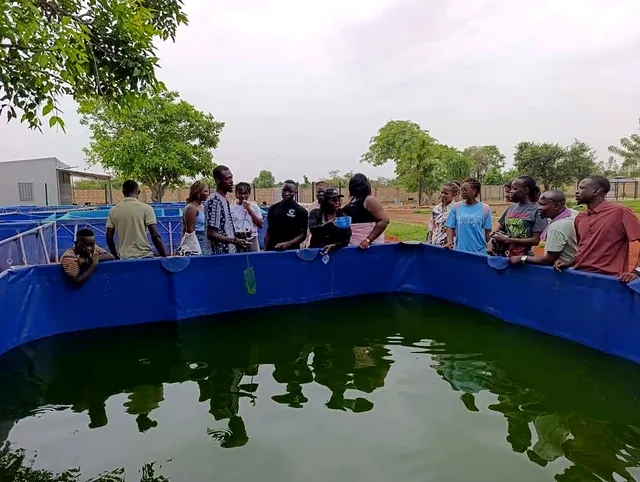
Field visit with a training group

StratAgri · Consulting and engineering division

Advice from people who actually produce

Most design offices have never raised a fish. We design your facilities, write your project files, train your staff — and in the evening, we go back to feed our own.
Our services

Four ways to work together

01
Training

Rearing management, feeding, water quality, running a unit. In the classroom and on our own facilities: fish farming is not taught on a blackboard. For an individual project owner, a team, a cooperative or a programme.

02
Feasibility study and business plan

The document every bank and every funder asks for: market, sizing, investment, operating costs, cash flow, break-even point. Written to be defended in front of a lender, not to look nice.

03
Engineering and unit design

Site selection, sizing of ponds or cages, water circuit, plans and full costing. You know what it costs before you dig.

04
Support and operational follow-up

The first six months decide the rest. We follow the start-up, correct the management, and stay reachable when something goes wrong.

Our method

What you receive, at each step

A consultancy is judged by its deliverables, not its intentions. Here are ours, in order.

Site visit and diagnosis

Deliverable: a note stating whether the site is workable, with which species and what type of facility — or why it is not.

Technical and financial study

Deliverable: the complete file, sizing, investment, projected operating account and break-even point.

Plans and costing

Deliverable: the construction drawings and the detailed quote for the facility.

Staff training

Deliverable: a team that knows how to feed, measure and react — and written material that stays on site.

Start-up follow-up

Deliverable: inspection visits and reports, for the agreed period.

Our sessions

This is what training looks like with us

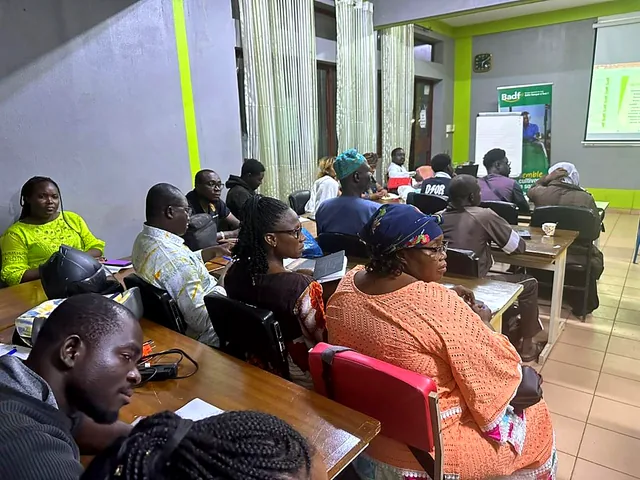
Training room
Classroom session
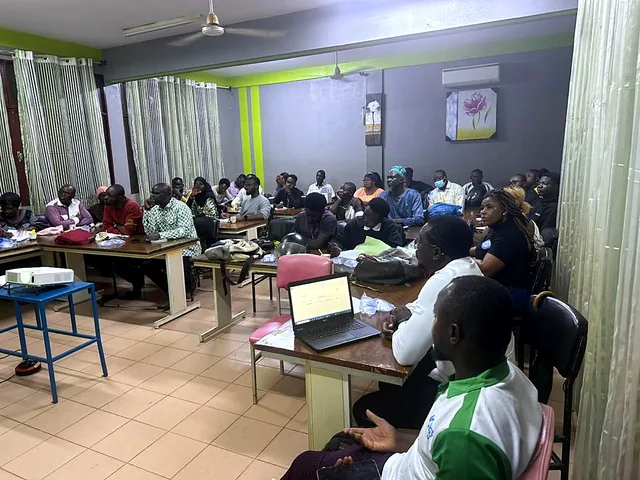
Participants in training
Group in session
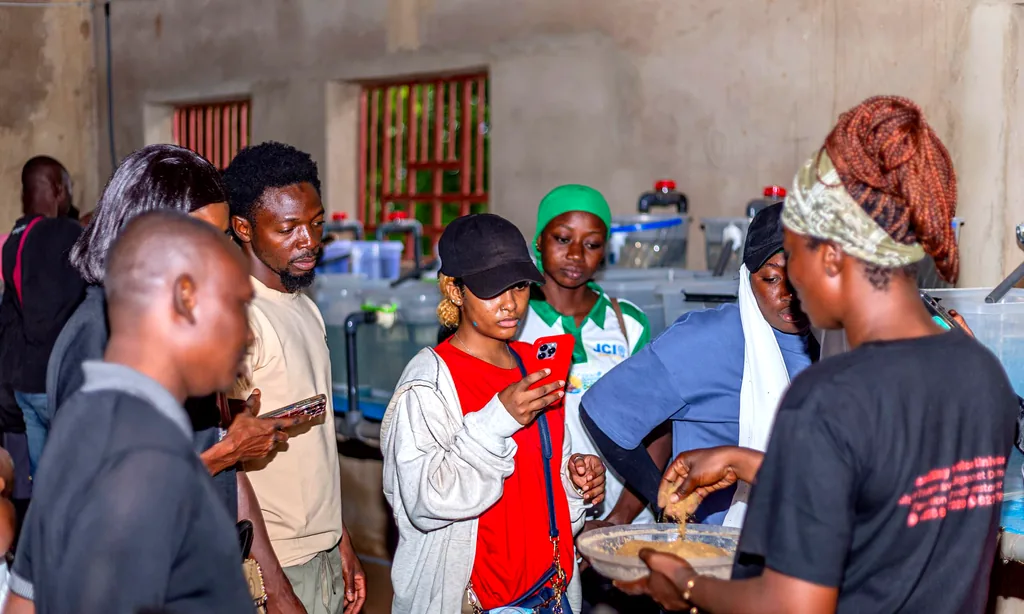
Field visit
Facility visit
Group around a pond
Hands-on work at the pond

The topics we cover

01
Setting up a fish farming project

Feasibility study, site selection, sizing, costing and business plan — the file a bank or a funder is willing to read.

02
Building and equipping

Above-ground ponds, earthen ponds, floating cages: what lasts, what is expensive for nothing, and what can be repaired when it breaks.

03
Producing your own fingerlings

Broodstock, breeding, incubation, nursing. The most fragile phase of the cycle, and the one that makes a farm independent of its supplier.

04
Running a farm

Feeding, water quality, growth monitoring, mortality. This is where the difference between a full pond and a profitable pond is made.

05
Harvesting, storing, selling

Fishing, sorting, grading, storage, marketing. A project does not end with fish out of the water: it ends with fish paid for.

06
Managing the business

Costs, accounts, real margin. Many farms run without knowing whether they make money — and find out too late.

When sessions take place

Our sessions follow the production seasons: there is no fixed calendar announced a year ahead, because training is given when the work is actually happening in the field. Dates are announced as soon as they are set — on our Facebook page, on LinkedIn, in our WhatsApp status, and right here.

The simplest way: write to us with the topic you are interested in. We will let you know as soon as a session opens.

A certificate is issued

Every participant leaves with a training certificate. It is what a project owner adds to their file, and what an employer asks for.

Tell us where you stand

A plot of land, an idea, a file to put together, a farm that is not delivering what it should. The first conversation is to find out whether we can help.

Request a study